

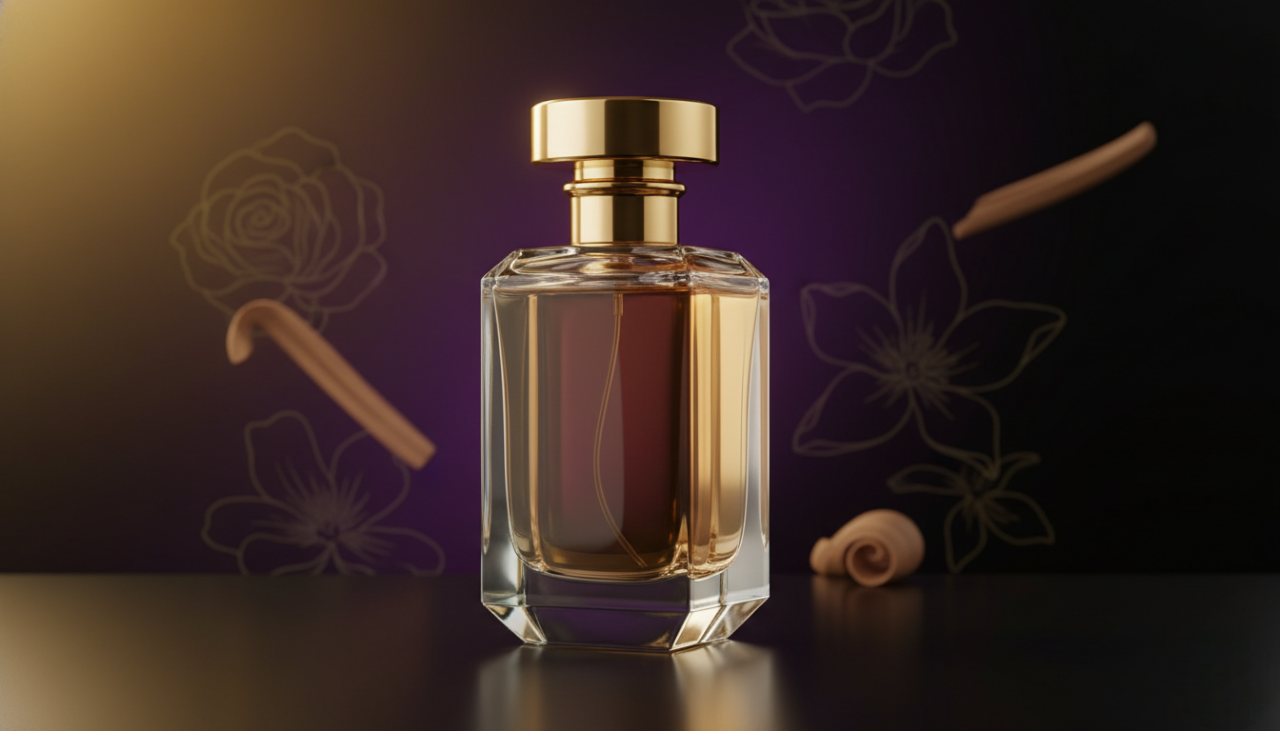
The Art and Science of Perfumery
A Complete Guide to Understanding Fragrances
Fragrance has been an integral part of human culture for thousands of years. From ancient rituals to modern luxury, perfumes tell stories, evoke emotions, and leave lasting impressions. At Scented Journey, we believe that understanding perfume enhances the experience of wearing it. This guide explores the fascinating world of perfumery its history, structure, ingredients, and how to choose the right fragrance.
A Brief History of Perfume
The word perfume comes from the Latin per fumum, meaning “through smoke.” Early civilizations such as the Egyptians, Mesopotamians, and Indus Valley societies used aromatic oils, resins, and incense in religious ceremonies and daily life.
- Ancient Egypt: Perfumes were symbols of status and spirituality.
- Islamic Golden Age: Scientists refined distillation techniques, shaping modern perfumery.
- Europe: France became the global center of fragrance innovation during the Renaissance.
Today, perfumery blends tradition with advanced chemistry and artistry.
Understanding the Structure of a Perfume
Every perfume is carefully structured in layers known as notes, which unfold over time after application.
1. Top Notes
These are the first impressions of a fragrance. They are light, fresh, and evaporate quickly.
- Examples: Citrus, bergamot, lavender, mint
2. Middle (Heart) Notes
The heart forms the core personality of the perfume and appears once the top notes fade.
- Examples: Rose, jasmine, cinnamon, cardamom
3. Base Notes
Base notes provide depth, warmth, and longevity. They linger the longest on the skin.
- Examples: Musk, amber, vanilla, sandalwood, oud
A well-balanced perfume smoothly transitions through these stages.
Types of Fragrance Families
Perfumes are categorized into fragrance families to help users understand their scent profile.
- Floral: Soft, romantic, and elegant
- Woody: Warm, earthy, and sophisticated
- Oriental: Rich, spicy, and sensual
- Fresh: Clean, citrusy, and aquatic
- Gourmand: Sweet, edible-inspired notes like vanilla and caramel
Understanding these families helps individuals select scents that align with their personality and lifestyle.
Concentration Levels in Perfumes
Not all perfumes have the same strength or longevity. This depends on their oil concentration.
- Parfum (Extrait de Parfum): 20–30% fragrance oil, very long-lasting
- Eau de Parfum (EDP): 15–20%, balanced and popular
- Eau de Toilette (EDT): 5–15%, lighter and fresher
- Eau de Cologne (EDC): 2–5%, subtle and short-lived
Choosing the right concentration depends on personal preference and occasion.
Natural vs. Synthetic Ingredients
Modern perfumery uses both natural and synthetic ingredients.
- Natural ingredients offer depth and authenticity but can vary in consistency.
- Synthetic ingredients ensure stability, sustainability, and creativity, allowing perfumers to recreate rare or endangered scents.
High-quality perfumes skillfully combine both to achieve excellence.
How to Choose the Right Perfume
Selecting a fragrance is a personal journey. Here are some helpful tips:
- Test perfumes on skin, not just paper strips
- Allow time for the fragrance to develop
- Choose lighter scents for daytime, richer scents for evenings
- Consider climate and season
- Let your personality guide your choice
A perfume should feel like an extension of who you are.
The Emotional Power of Fragrance
Scent is closely connected to memory and emotion. A single fragrance can evoke confidence, comfort, nostalgia, or attraction. This emotional connection is what makes perfumery a true art form rather than just a product.
Conclusion
Perfume is more than a scent it is an experience, an identity, and a journey. By understanding how fragrances are crafted and how they interact with the senses, individuals can make informed and meaningful choices.
At Scented Journey, we celebrate the craftsmanship, heritage, and emotion behind every fragrance. Our goal is to inspire appreciation, awareness, and a deeper connection to the world of scent.